
Ancient Egyptian Stories of Book Transmission and Discovery and the Origins of Pseudo-Documentarism in Antiquity
Friday, 2026/10/30, 14:00
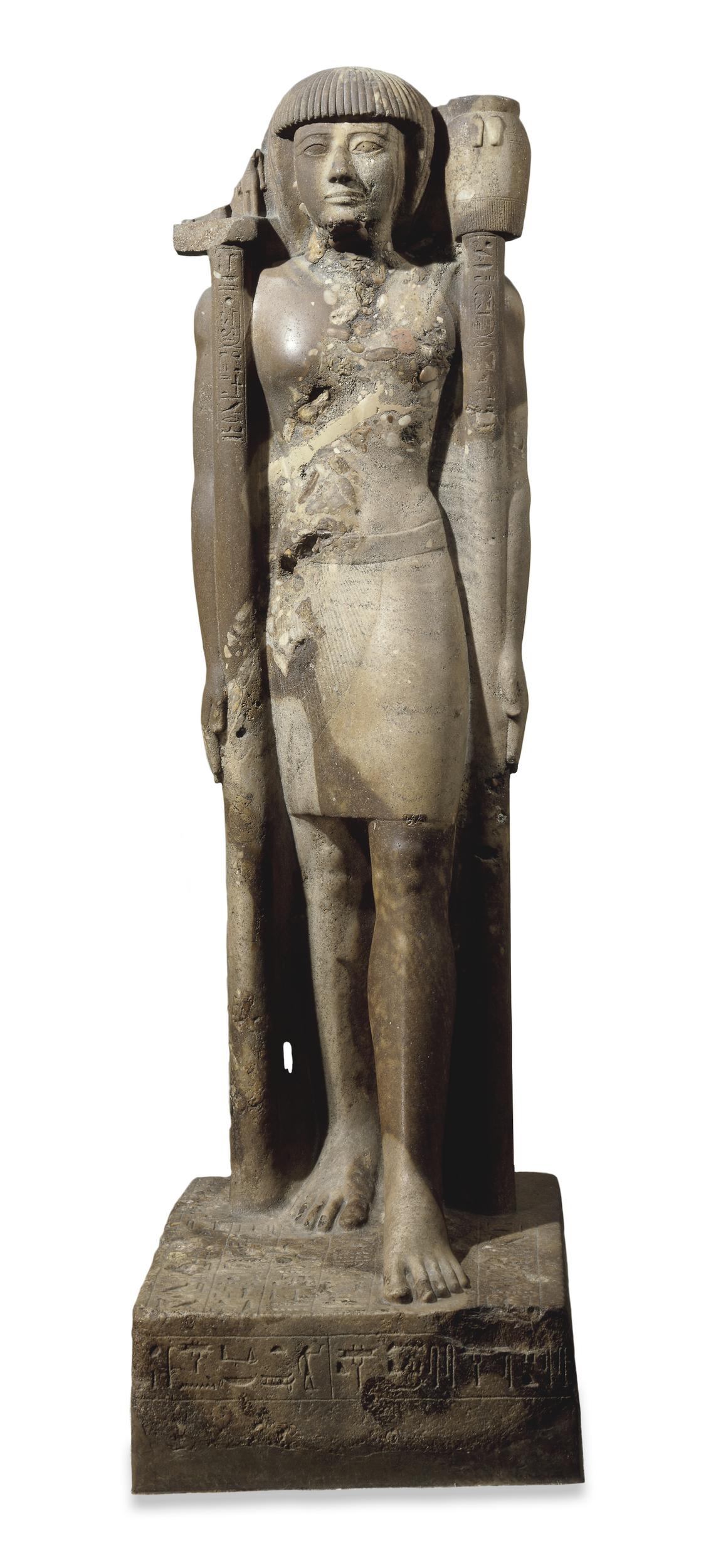
© The Trustees of the British Museum. Shared under a Creative Commons Attribution-NonCommercial-ShareAlike 4.0 International (CC BY-NC-SA 4.0) licence.
This presentation explores how and to what end stories about the transmission and discoveries of books were employed in narrative and non-narrative literature from Ancient Egypt. Such “pseudo-documentary” tropes were a prevalent narrative strategy in the later literature of the Early Imperial Period and Late Antiquity, used in Greco-Roman novels, Christian apocrypha and hagiography, and Hermetic texts alike. It has often been claimed that antique pseudo-documentarism has its origins in Ancient Egypt – the country to which both classical and modern authors like to attribute all things magical, fantastical, and (above all) dubious. The presentation reassesses this long-held claim, asking whether it reflects historical reality or merely perpetuates an old Orientalist stereotype.
| Event organizer: | Late Antiquity Seminar (LAS) |
|---|---|
| Speaker: | Dr. Florian Graz (RomAge) |
| Date: | 30.10.2026 |
| Time: | 14:00 - 16:00 |
| Locality: |
A103 Theologische Fakultät (Unitobler) Länggassstrasse 51 3012 Bern |
| Characteristics: |
open to the public free of charge |